it can come with challenges, especially when it comes to training. Adopted animals often come with unique histories that may include past traumas, anxieties, or behavioral quirks. Understanding and adapting to their needs helps build trust and create a lifelong bond. Here are some tips to help guide you on the journey of training your adopted companion
Start with Patience and Understanding
Adopted animals may come from shelters or foster homes where they faced stressful situations. The first and most essential step in training is patience.
Give them time to adjust to their new surroundings. Try to understand that it may take a few days or even weeks for your new pet to feel safe and secure in your home.
Establish a Routine
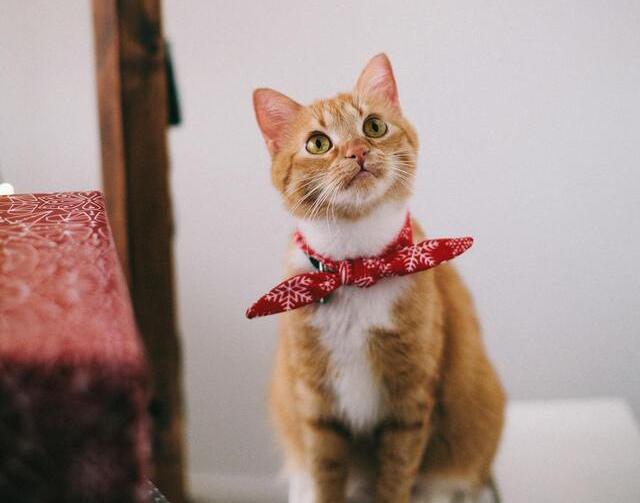
Routine provides a sense of security for animals. Feeding times, walk schedules, and playtime at consistent intervals help create predictability.
Regular routines can ease their anxiety and make them feel at home. Routines also help in toilet training and other behaviors.
Use Positive Reinforcement
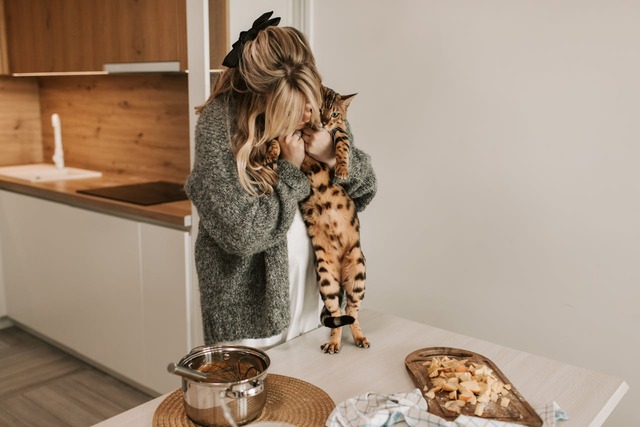
Positive reinforcement is key to any successful training plan, particularly with adopted pets.
Use treats, praise, and affection to reward good behavior.
Avoid punishment, as it can erode trust and lead to more fear or aggression. Instead, redirect negative behavior and reward the positive to encourage better habits.

Respect Personal Space and Boundaries
Not all animals are immediately comfortable with touch or interaction.
Give them space to explore on their own terms, and never force them into situations they find overwhelming.
Pay attention to body language: ears back, tail tucked, or cowering are signs they may feel scared or threatened.
Respecting their boundaries builds trust and helps them feel safe.
Start with Basic Commands
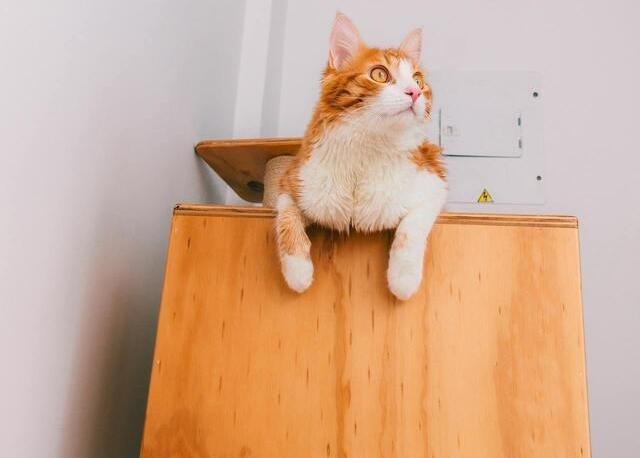
Basic commands like "sit," "stay," and "come" are foundational for more advanced training.
Keep training sessions short and fun, around 5-10 minutes, and work up to longer periods as they grow more comfortable.
Use a calm, gentle voice and reward even small signs of progress.
Create a Safe Space for Your Pet
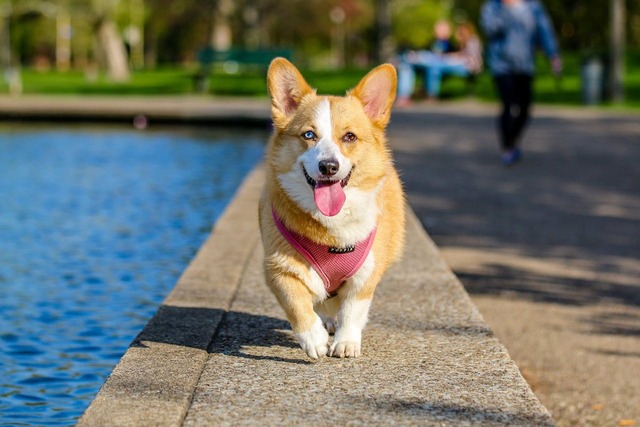
Set up a designated area where your pet can retreat if they feel stressed.
This space could include a cozy bed, blankets, and toys.
For dogs, a crate (if used properly) can also offer a sense of security.
Cats may appreciate a high perch or a quiet room.
This personal area can help them feel grounded and comfortable.
Socialize Slowly and Gently
Socialization is crucial, but it’s best done slowly with adopted pets.
Introduce them to new environments, people, and other animals at a comfortable pace.
Monitor their reactions and pull back if they seem scared or overwhelmed.
Socialization helps reduce anxiety and makes them more adaptable in the long run.
Seek Professional Help if Needed
Some adopted animals may have behavioral issues that require more than basic training.
Don’t hesitate to reach out to a professional trainer or behaviorist, particularly someone who specializes in rescues or has experience with trauma in animals.
They can provide tailored strategies to address specific concerns.
Celebrate Small Wins
Training can be a slow process, especially with an adopted pet.
Celebrate each small victory a successful sit, a calm greeting with a new friend, or a day without accidents.
These small wins build confidence for both you and your pet, reinforcing positive behavior over time.
Show Consistent Love and Affection
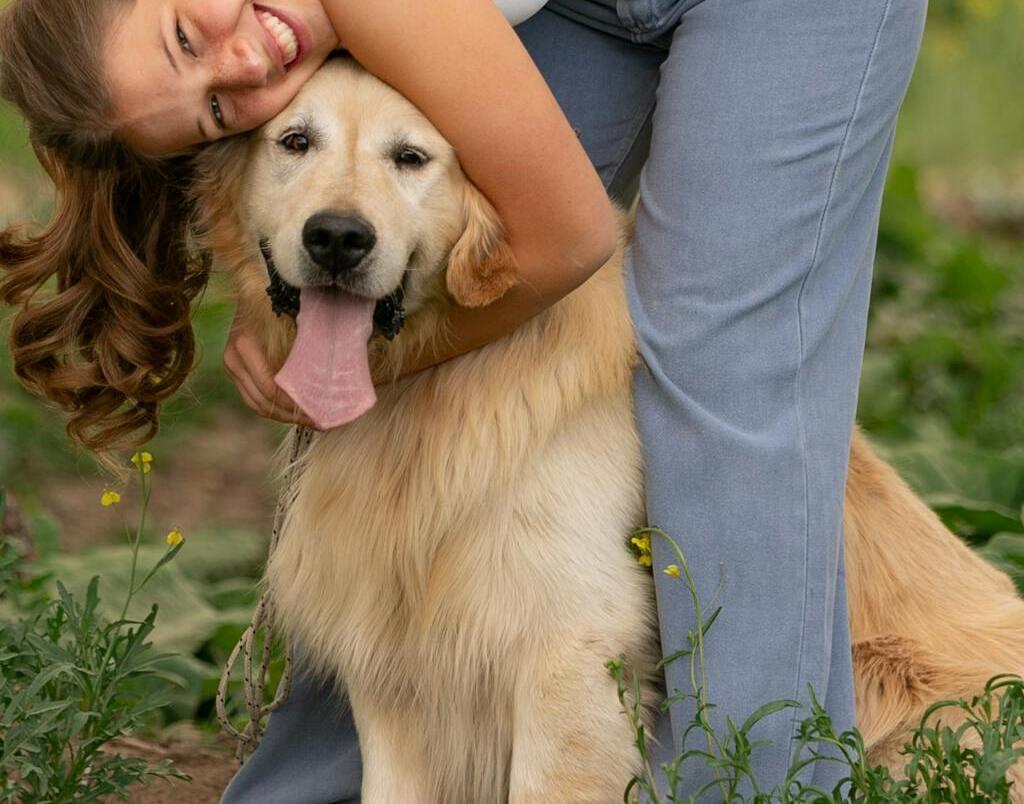
Above all, consistent love and affection are key. Your adopted pet may not have had a stable, loving environment before, and showing them kindness is transformative.
Spend quality time together, play with their favorite toys, and let them know they’re a cherished part of the family.
Training an adopted animal takes effort, patience, and empathy, but the results are worth every moment.
With love, patience, and guidance, you’ll create a strong bond that lasts a lifetime, giving your adopted pet the comfort and security they deserve.